Moving to Vaughan can mean very different things depending on the neighbourhood, housing type and commute you choose. A condo near Vaughan Metropolitan Centre offers a different daily routine from a detached home in Kleinburg, Maple or Woodbridge. The right decision starts with your budget, your travel pattern and the kind of property you want to maintain.
This guide covers the questions buyers and renters most often ask before choosing a Vaughan address.
Where is Vaughan?
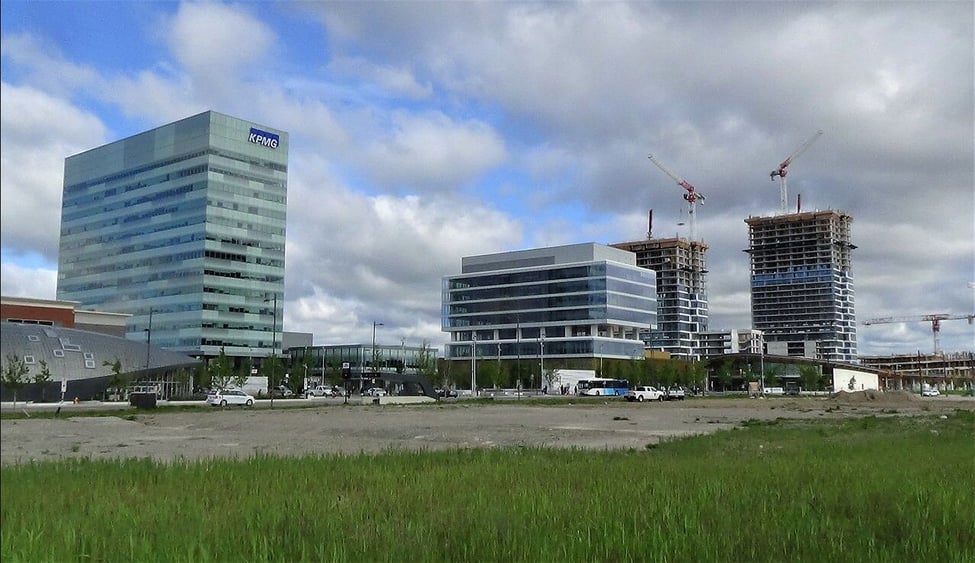
Vaughan is in York Region, directly north of Toronto. The City identifies five main communities: Concord, Kleinburg, Maple, Thornhill and Woodbridge. Within those areas are many smaller neighbourhoods, including Brownridge, Patterson and the growing Vaughan Metropolitan Centre.
Start with my Vaughan neighbourhood comparison if you are deciding which part of the city fits you best.
What kinds of homes are available?
Vaughan has condominiums, stacked townhomes, freehold townhouses, semi detached homes and detached houses. Newer high rise housing is concentrated around Vaughan Metropolitan Centre and parts of Highway 7. Established areas in Woodbridge, Maple and Thornhill offer a wider mix of low rise homes. Kleinburg is generally associated with larger homes and a quieter village setting, although the surrounding area also has newer subdivisions.
Vaughan is not one uniform housing market. Two properties at the same price can have very different space, fees, renovation needs and commuting advantages. Review recent Vaughan examples in what $500,000 can buy and what $700,000 can buy.
How should I compare neighbourhoods?
Compare each address using five practical questions:
- How long will the real commute take at the time you travel?
- Which public and Catholic schools serve the exact address?
- Do you want a walkable location or are you comfortable driving for daily errands?
- How much indoor and outdoor maintenance do you want?
- What is the total monthly cost after mortgage, taxes, utilities, insurance and any condominium fee?
For school planning, use the official YRDSB and YCDSB school locator tools. Boundaries and programs can change, so verify the exact address before relying on a listing description.
What is the commute from Vaughan like?
Vaughan has several commuting options. Vaughan Metropolitan Centre and Highway 407 stations connect to TTC Line 1. Maple GO and Rutherford GO serve the Barrie line. YRT and Viva routes connect many local neighbourhoods to stations and employment areas. Drivers often use Highway 400, Highway 407, Highway 7, Major Mackenzie Drive and Rutherford Road.
The best transit option depends on your exact starting point. A home that looks close on a map may still require a bus connection, parking or a longer walk. See the detailed Vaughan commuting guide before comparing addresses.
How do Vaughan property taxes work?
Your total property tax bill combines municipal, York Region and education portions. It can also be affected by the assessed value of the property. Do not compare homes only by the asking price. Review the current tax amount shown for the exact property and confirm it through the City of Vaughan when you are doing due diligence.
Condo or freehold?
A condominium can reduce exterior maintenance and may provide a more transit friendly location. The tradeoff is a monthly condominium fee, shared rules and a status certificate that should be reviewed carefully. A freehold home provides more direct control, but the owner is responsible for exterior repairs, landscaping and major systems.
For a condo, review the fee per square foot, included utilities, reserve fund, insurance, parking, locker, pet rules and any legal or financial concerns in the status certificate. For a freehold home, budget for the roof, windows, heating and cooling systems, drainage and other maintenance.
What closing costs should I budget for?
Beyond the down payment, a buyer may need funds for Ontario land transfer tax, legal fees, title insurance, inspections, appraisal costs, adjustments and moving expenses. Toronto has an additional municipal land transfer tax, but Vaughan does not. First time buyer rebates may apply when the eligibility rules are met.
Use my Ontario closing cost guide as a starting checklist, then confirm exact figures with your lawyer and lender.
Should I rent before buying?
Renting can make sense if you are new to the area, your job location may change or you need time to understand different neighbourhoods. Buying may make more sense when your finances are stable, your time horizon is longer and you have enough cash for the purchase plus an emergency reserve. The answer should be based on your own numbers, not a general rule.
A practical moving checklist
- Confirm your maximum comfortable monthly cost.
- Get a mortgage preapproval before serious showings.
- Choose two or three neighbourhoods based on commute and lifestyle.
- Verify schools for each exact address.
- Compare property taxes, utilities and condominium fees.
- Review renovation and maintenance needs.
- Plan closing funds and moving expenses.
- Book utilities, insurance, mail forwarding and moving arrangements before closing.
How I help
I start with a short 10 to 15 minute call to confirm your priorities, budget, timing and financing. From there, I narrow the search, explain the tradeoffs and organize focused showing times. When a property is worth pursuing, I review recent comparable sales and the offer terms with you before you decide.
To discuss a Vaughan move, call or text 437 339 3337, email [email protected], or use the contact page.